
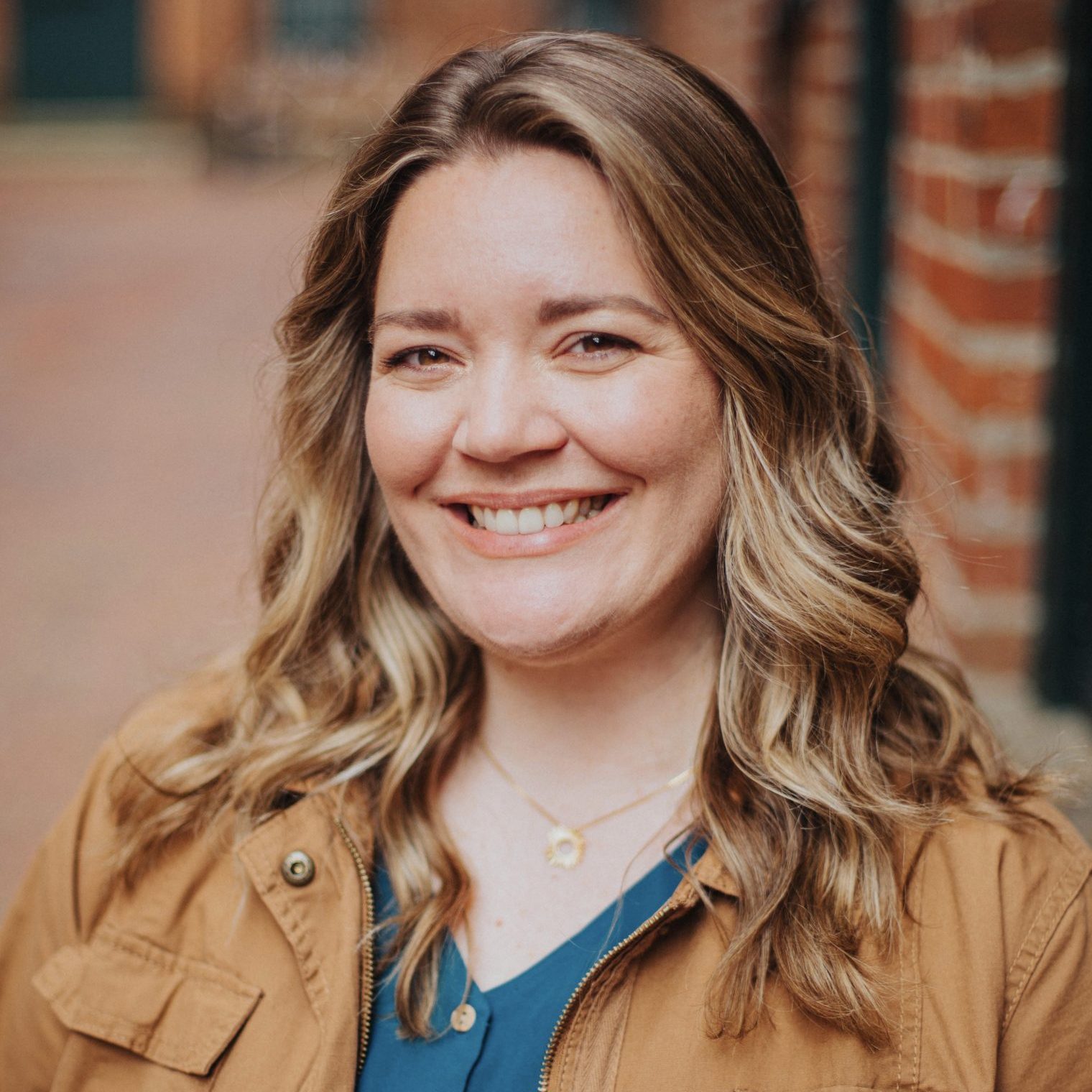

MANSFIELD – Leading up to the 2016 election on Nov. 8, Richland Source sat down with Democrat challenger Matt Mayer, who is running to become the Richland County Sheriff.
Mayer is a Democrat challenging Republican incumbent Steve Sheldon.
QUESTION: You were a sheriff’s deputy from 1988 to 2013. How did you start there?
ANSWER: My law enforcement career started way before that. My dad was a Common Pleas Judge pretty much my entire life from 1960 to 1978. My mom was a probation officer. We also had 10 kids in the family so we knew what it took, even though he was a judge back then when he started he made $14,000 on the front page of the News Journal. My mother always questioned why he would want to do that when as an attorney he could make a lot more than that.
I’d go and come from the courthouse and the deputies were located in the courthouse, and they interested me. I always had respect for them. As time went on I went to The Ohio State University and got my bachelor’s degree in criminology and criminal justice. One thing good about an education at The Ohio State University is it wasn’t just on police and policing, it was on the courts and the whole due process of the court system and law. It also touched on the psychology of devious behavior and criminals, and the penology studies on jail.
At the time I wanted to go onto law school, I had several brothers that were pretty good lawyers and recognized in Mansfield as attorneys. As time went on, I still was amazed even as a young child at being in law enforcement versus being an attorney.
After I graduated I had a friend that we ran a tree business – I was a tree climber, worked at all different heights and temperatures with saws and sharp things. I told him one day in October that I was going to try to find a safer job, and drive back to Mansfield to take the Sheriff’s department test.
Little did I know, myself and two other men scored the highest, and sooner or later we became deputies. In a short period of time, my ability to pursue and solve crime was recognized. So, to my surprise, within three years of my employment I was promoted to detective. I had to make the decision to become sergeant and increase my pay and responsibilities, then after about a year I became the sergeant detective in the Sheriff’s department.
Our focus was solving and preventing crimes, and every property crime – and I think there’s only a handful of incidents that weren’t drug-motivated. All our burglaries and breaking and enterings usually come down to drugs. Back then it was crack or crystal meth, now it’s opiates and heroin and it’s been that way for 12 years. It’s not like the sheriff wasn’t warned about this current uprising because we were working heroin addicts since 2006. To see this fentanyl and opiates and heroin killing people, it’s just terrible.
Q: What made you decide you wanted to go into law enforcement rather than become an attorney?
A: I was always a hands-on person, like the trees I cut down. I mill and make furniture, if my car’s broke I’d rebuild the engines, if I want food, I’ll go out and hunt it. I felt that in law enforcement that’s what they need, someone to get out there and not only work it but pay attention to what witnesses, officers and suspects are doing. I felt that was more my calling, I found it was more interesting pursuing criminals rather than defending them.
Q: Are there any significant achievements from your 25 years as a deputy that you’re particularly proud of?
A: One of my greatest accomplishments was to be able to get a group of law enforcement officers from different agencies to pursue a group of criminals and hold them accountable to a significant amount of charges.
In 1991 and 1992, there was a group of safecrackers that broke into a business and stole numerous accounts and writing hundreds of thousands of dollars worth of checks. I knew each check was a misdemeanor or low felony, but if I could prove one conspiracy felony with more than one (person) in concert working together as an organized group, I could charge them with engaging in a pattern of corrupt activity. I was the first to use that not only in burglaries if they’re caught doing that, then other people caught with stolen property. If they had significant involvement in the conspiracy then I could give them the same kind of punishment. I’ve done that on numerous occasions.
I think I was known for recovering stolen property – truckloads of it. We were known to put together photo albums of evidence, when it became digital technology we had CDs. I don’t think the sheriff can touch the amount of stolen property that has been recovered by myself or the people I supervised and directly worked around. I’ve also supervised or worked on over a dozen homicides.
A major accomplishment for me is if I come out and investigate a crime committed against you, and I come back and say one or all of the following: I caught the guy, he’s in jail, here’s your property back, or here’s the type of person he was. I try to inform you he wasn’t the boogeyman we all thought he was, it was some soccer player that got on dope because his ankle was broken and eventually wanted more so he was sneaking around like a timid Chihuahua in your house.
Those accomplishments individually gave me reward and satisfaction and caused me to drive to make thorough cases to help people. By helping them it actually helped me, because as time went on it helped me learn how to present things to the prosecution or jury, or write search warrants.
Q: What have you been doing the past three years?
A: Let’s start with why I retired at sergeant detective in 2013. Sheriff Steve Sheldon had removed all the lieutenants and all the captains out of the bargaining unit I belonged to. Therefore, I’d reached my peak; for 17 years I supervised detectives and deputies with no hope of promotion.
(Captain Eric) Bosko was deemed by myself and the U.S. Attorney untruthful, evasive, vindictive, and him and the sheriff had alternative motives to put scrutiny on people who challenged their authority based on the individual’s knowledge, training, skills and expertise. If they couldn’t compete on that level, they tried to take resources like secretaries, digital recorders, they purposefully kept me at a 13-year-old computer and tried to change my job description.
They wanted me to supervise the deputies and U.S. Marshals. I haven’t had the training, I can supervise but I like to have more particular federal training in their realm. I was supervising the METRICH detective. Then when they said I needed to take the secretary’s place and do her work, how do I keep up with cases if they filibuster you? They promised to keep getting me help.
Why did I want to get out of there? I was eligible to retire with a full pension and health benefits, and I was told by 2013 if I didn’t retire I wouldn’t get health insurance for five years. Would you want to work under an administration like that for another five years and take the risk at ruining your character and ability to run for sheriff? I am upset with the way the sheriff and his administration has been treating employees.
I knew what I was doing and I was getting out of there before it got too bad, and I’m going back to clear it up and do what’s right and bring the morale and integrity back to the sheriff’s office so they can solve and prevent crime and protect your families and property. Now that I’m out, I’m bringing it up, and there’s more to come. Steve (Sheldon) can be a good guy, but what he lets go by is pathetic and uncalled for.
To answer your question about what I’ve been doing the past three years, the first year I helped my family put in floors and remove trees. Eventually, I thought I would take a part-time job at the Richland County Common Pleas Court under the court service, that way I’ll get to see a lot of people and what’s going on. The longer I worked, the more people I saw and the more people would come up to me saying I should run.
I always wanted to, but there’s a time and place for everything. In 2015, I decided I’m going to throw my hat in.
Q: Is it rewarding to finally be running for sheriff?
A: When I sat down for my interview in March of 1988, it was around 4:15 p.m. and I asked the sheriff if I got the job. I was asked what my goals were here. And I said to come in someday and take your seat. He said go home and get a haircut and shave, and be here at 0600 hours. I didn’t know 28 and a half years later I’d be sitting in this room talking to you. I think I have a wealth of knowledge, experience, training, and I do have the morals and the care to do this job.
