
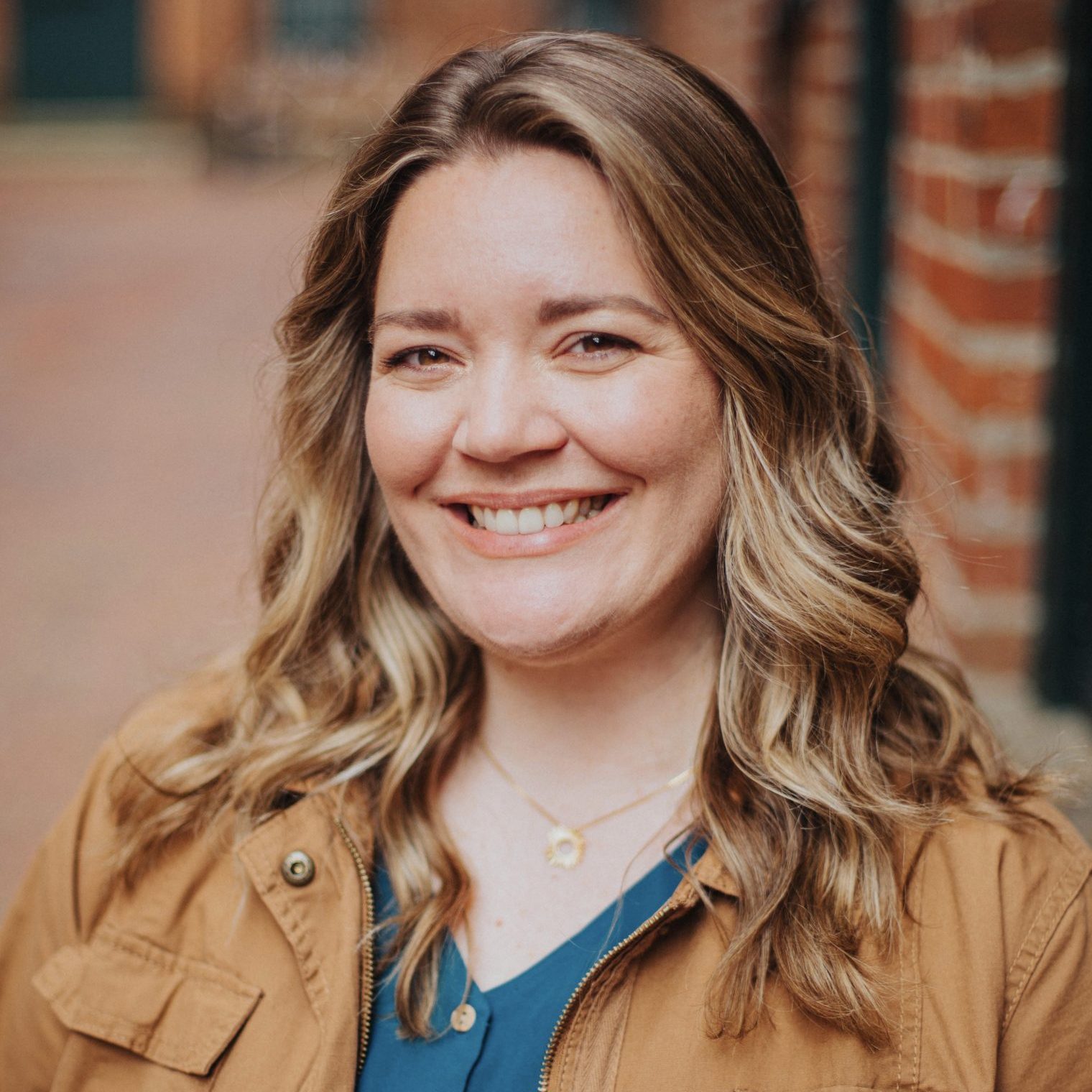

MANSFIELD – Local veteran Joshua Sheriff spent a year in Baghdad serving in the U.S. Army infantry. But it wasn’t until he was back on American soil that he experienced a trauma that would follow him for the rest of his life.
On Nov. 5, 2009 – five months after Sheriff returned from serving overseas – a U.S. Army major and psychiatrist named Nidal Hasan fatally shot 13 people and injured more than 30 others in a mass shooting at Fort Hood, Texas. Two companies of at least 200 infantrymen, including Sheriff, sheltered in place as the sirens blared.
“When you’re going overseas you prepare mentally, you say your goodbyes and the idea is you’re probably not going to come back,” said Sheriff, a Pioneer Career and Technology Center graduate.
“But when you get back to the States you start decompressing, and the area Hasan shot up was called the Post Deployment Health Reassessment Building. Soldiers their first week or month of returning go to these buildings to get checked out mentally and physically.”

Sheriff felt helpless as he sheltered in place that day, knowing that 200 infantrymen could have overwhelmed Hasan and prevented him from killing more soldiers. He recalled that some soldiers charged the shooter armed with only pens or chairs.
“I had the biggest feeling of betrayal from our leaders with the restricting of personal firearms on base, because none of us were carrying and there was nothing we could do,” Sheriff said.
Sheriff’s experience at Fort Hood left him with post-traumatic stress disorder (PTSD), a condition he struggled with for six years. After trying a number of programs through the U.S. Dept. of Veterans Affairs, a handful of psychologists and different medications, Sheriff found what he needed to heal through a unique nonprofit.
The REBOOT Combat Recovery program is a nonprofit support system that focuses on healing the spiritual and moral injuries of war. The program is devoted to the complete healing of military members, first responders and their families post-combat trauma.
“That was the one that clicked for me,” Sheriff said. “It had such an impact on both my and my wife’s lives that we decided this was something worth investing our time and resources into doing.”
Sheriff and his wife Haley have since gone through a leadership training course with REBOOT and recently finished their first 12-week course with local veterans here in Mansfield. Theirs is the first REBOOT program in the state of Ohio.
“It’s a goal-oriented, solutions-focused program rather than an open-ended group talking about feelings and managing symptoms,” Sheriff said. “In the same way that basic combat training prepares soldiers for their role in the military, this REBOOT program starts soldiers on the path to healing from PTSD and moral trauma.”
While many can understand the impact of combat-related trauma, moral trauma is trickier to understand, and yet research has found moral trauma is a bigger predictor of PTSD than the previous fear-based model. Sheriff and a team of military developmental researchers at Liberty University in Lynchburg, VA defined moral trauma as, “participating in, witnessing or failing to stop an event that goes against a deep-held ethical or moral belief.”
“An example of non-combat moral trauma would be soldiers witnessing the abuse of Iraqi or Afghanistan children and being unable to help them efficiently,” Sheriff explained.
“It creates a reaction similar in the way that combat PTSD does in that you can experience hyper vigilance and paranoia; you’re more likely to have areas of shame and guilt than the combat-related PTSD.”
In order to heal both the combat and moral traumas a soldier experiences, REBOOT takes a spiritual approach that addresses the concept of soul wounds and aims to heal the mind, body and soul. The approach offers a blend of clinical insight and faith-based support in the form topic-based instruction, class discussions, homework, group exercises and family-style meals.
Sheriff was also drawn to REBOOT because of the integration of spouses into the courses.
“You have what’s called secondary trauma,” he explained. “The program is designed for military members and their spouses to go through it together, which brings more understanding for the spouse of what the military member is going through, and for a lot of military members it helps to have your spouse there with you.”
Currently, there are REBOOT programs operating in 50 locations across 23 states, with more than 1,600 graduates to-date and zero suicides. The Sheriffs will be hosting a second round of the REBOOT program starting on Sept. 21 at 6:30 p.m. at Crossroads Community Church.
Sheriff believes the program will have great success in Mansfield because of his passion for REBOOT. It changed the lives of both he and his wife.
“My goal in life is to counsel military families in a holistic manner, and I’ve found that REBOOT is a good starting point for that holistic approach,” Sheriff said. “People have said it opened their eyes and helped them to start on the path to actually healing and recovering.”
For information on the next local REBOOT course, please contact Joshua Sheriff at airbornegrunt24@gmail.com. All courses are free, open to participants and their spouses and include childcare and dinner.
