

MANSFIELD — Mansfield Municipal Court Judge Michael Kemerer said Henry Ford, Abraham Lincoln and James Dyson all had one thing in common — at one point, they all failed.
“If they can get back up,” he said, “I am certain the men and women of our Armed Forces can get back up when they get knocked down, too.”
That was the theme Wednesday afternoon when the Mansfield FOP Lodge 32 hosted the 2025 Veterans Court graduation.
Bravery often comes at a cost
Kemerer addressed the veteran graduates, praising their courage. He reminded the audience military service often leaves lasting scars.
“Everyone we are celebrating today was willing to do the impossible for our country,” he said. “This incredible bravery doesn’t ensure easy success when their service ends.
“The weight of service on their bodies and souls can lead to mistakes,” he added. “But if anyone can get back up, it is the men and women who have jumped on the grenade and shared their blood to continue fighting.”
Kemerer urged the community to support veterans in their recovery.
“We owe it to them to help them get back up,” he said. “It is a debt we can never repay, but we certainly should never stop trying.”
Justice Evelyn Stratton, the guest speaker at Thursday’s ceremony, spoke about her story and offered insights on the challenges veterans face.
Stratton was born and raised in Thailand. After moving to the United States, she became deeply involved in criminal justice and mental health issues.
She recalled an experience in Washington, D.C., at a housing conference, where she met a man from the Veterans Affairs office who mentioned plans to start a veterans court.
“I became very interested in this,” Stratton said.
She explained the judges who started these courts noticed veterans behaved differently than the average defendant — they were always respectful to authority but often denied having mental health struggles.
Stratton also spoke about the concept of moral injury, recently introduced to her through a close friend whose son struggled with mental health issues after his service.
“What happens is the military trains you to kill, they never deprogram you to come back to the (U.S.),” she said.
This lack of preparation can leave veterans carrying profound guilt over lives lost during service, she noted.
Woods embraces his second chance
Among the many graduates honored was Antwan Woods. His journey hasn’t been easy — but Wednesday, he proved second chances are possible.
He joined the U.S. Army in March 2011 and shipped out to basic combat training that September. Woods served on active duty until 2015 before moving to the Army Reserves until 2017.
“This graduation feels bittersweet,” Woods said. “I realized I’d been sweeping my mental health and trauma under the rug.”
Woods went straight from the Army to The Ohio State University, finishing his bachelor’s degree in three years, working up to his master’s degree, and was a semester from completing his doctorate when his struggles took over.
He noted completing this milestone has given him renewed hope.
“It’s a second chance to continue my journey and pursue the goals I set for myself,” he said. “It’s broadened my horizons on trauma, mental health and how I view the world.”
Woods said he hopes his story resonates with fellow veterans and the community.
He added, although efforts are actively working to de-stigmatize mental health and substance abuse, society still has a long way to go.
“Take your mental health seriously, just like your physical health,” he said. “Ignoring it can lead to self-sabotage, even if you don’t realize it. The people around you will notice it.
“I’d like to thank my probation officer Scott, the judge and everyone who helped me on this journey,” Woods said.
Veterans Court program is 1st of its kind in Ohio
The late Mansfield Municipal Court Judge Jerry Ault founded the Veterans Court, which began operations in September 2009, according to a press release from the Mansfield Municipal Court.
It was the first of its kind in Ohio and the third in the nation, designed to reduce crime, lower incarceration rates and provide support by connecting Veterans to specialized services.
Veterans Court participants must complete at least one year of supervision and treatment, organized into four phases that correspond to their individual development.
The supervision often includes regularly scheduled review hearings with the judge, home visits, curfew checks, drug and alcohol testing and increased communication with the treatment providers.
The Veterans Court has served over 328 participants, 269 of whom have successfully completed the program.
The graduation also recognized and awarded the treatment team and those who have helped make the program a success.
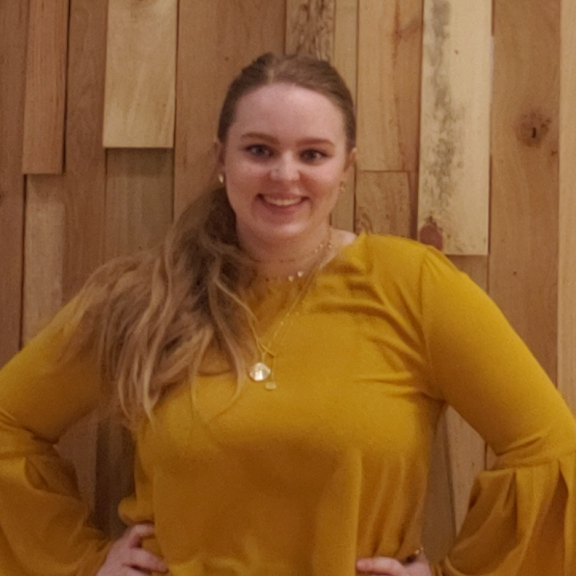
(Photos from the Mansfield Municipal Veterans Court graduation. Credit: Hannah Martin)


