

MANSFIELD — Project Search has bounced back to full strength, ready to guide a new class of students with disabilities toward career success.
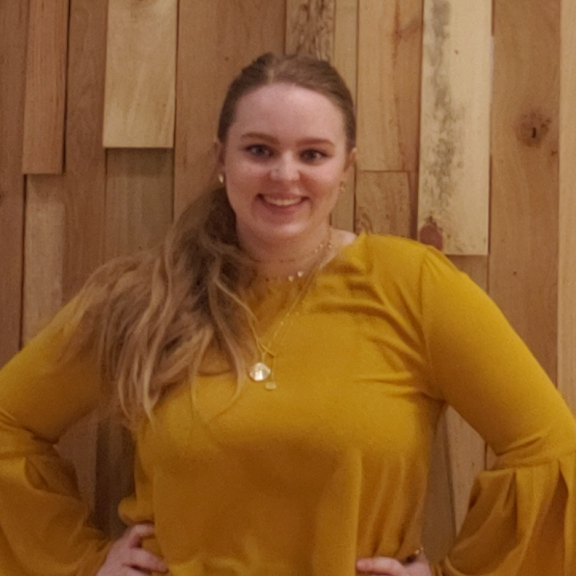
Katie Getz, instructor and coordinator of Project Search for the past 11 years, said COVID-19 created many struggles for the program. She said their classes got smaller during those years and they had to work harder to recruit students. Their classroom is now back to full capacity.
Getz said her goal for the longest time was just to recover from the pandemic. Now that the organization has done that it’s time to set a new goal.
Getz credits the program’s 20 years of success to being completely business-led.
“We are entirely here within OhioHealth, so when our students have their internships, OhioHealth associates completely surround them,” she said.
Getz said she gets goosebumps from the support OhioHealth shows for the students. During a visit to the cafeteria, multiple departments stopped to personally welcome each student, making the experience even more special.
“I don’t think a month goes by without someone stopping by our class to say they were thinking of us or asking if they can help in any way,” she said.
Students learn professional behavior through daily interactions and complete three different internships to find what type of work fits them best. In the spring, the program partners with adult agencies to connect students with community jobs.
Each year, OhioHealth has hired at least one Project Search student. Graduates have worked in environmental services, food and nutrition, phlebotomy, valet, and customer service. Outside OhioHealth, she said, graduates have found jobs at FedEx, nursing homes, medical sites, schools, restaurants, and local businesses.
“Our success rate blows the national success rate for employment out of the water,” Getz said. “We get a whole school year with them, immersing them in the professional behavior they need for the workforce.”
Project Search accepts students ages 18 to 22 who have earned and deferred their diplomas. The class has 12 to 14 students, which ensures quality internships and individual experiences.
Project Search remains the only transition-to-work program in the area. While other schools may send groups of students to job sites, Getz said Project Search places students independently in departments.
Getz reflects on over a decade with Project Search
Getz first learned about the program through a neighbor who is a supervisor at Pioneer.
“One afternoon, while our kids played in the backyard, she told me about a job she thought I would be great at,” Getz said.
At first, Getz declined the offer. But her neighbor urged her to look up Project Search.
“Because I respect her as a person and educator, I put my kids down for a nap, looked up Project Search, and here I am 11 years later,” she said.
When Getz watched the program’s videos, she felt an immediate connection and applied for the job 24 hours later.
Her favorite part of the program is watching students grow.
“I love it when we are at graduation and we have a slideshow that takes us through the year,” she said. “It is amazing to see how they have metamorphosed into adults ready for employment.”
Alumni student reflects on Project Search success
Dustin Moore, 36, is a Project Search alumni who invites students with disabilities to see the program that launched his career.
Moore, nicknamed ‘ambassador of the hospital,’ said he enjoys reflecting on his time with Project Search.
In 2007, he graduated from Project Search and began working in the cafeteria at OhioHealth in 2008.
“I work with three other people who have disabilities, and you get to see us work in the hospital like normal people,” Moore said. “No one sees our disability; they just see us.”
Moore said people seeing him as a success story intimidates him, but he feels grateful. He understands the students’ fears because he once had them himself.
“They worry about making mistakes,” he said. “I reassure them they’re here to learn and train.
“They have no reason to worry about mistakes.”
He said Project Search prepared him for his job by teaching him how to navigate the building, understand codes and not be afraid to ask questions.
“Seeing the kids come through makes me feel old when I realize I have worked here as long as they have been alive,” Moore said.
He said the program is ideal for students exploring career paths, giving those with disabilities a strong start after graduation.
About Project Search
Project SEARCH was developed at Cincinnati Children’s Hospital Medical Center, which is still the administrative headquarters for the organization.
Project SEARCH is a business-led, one-year internship program for young people with intellectual and developmental disabilities. Most participants are enrolled while transitioning from high school to work.
The hallmark of Project SEARCH is total workplace immersion, which facilitates a seamless combination of classroom instruction, career exploration, hands-on training leading to acquisition of marketable work skills.
Project SEARCH’s goal is to secure competitive, integrated employment for every program participant. For more information, visit www.projectsearch.us.