
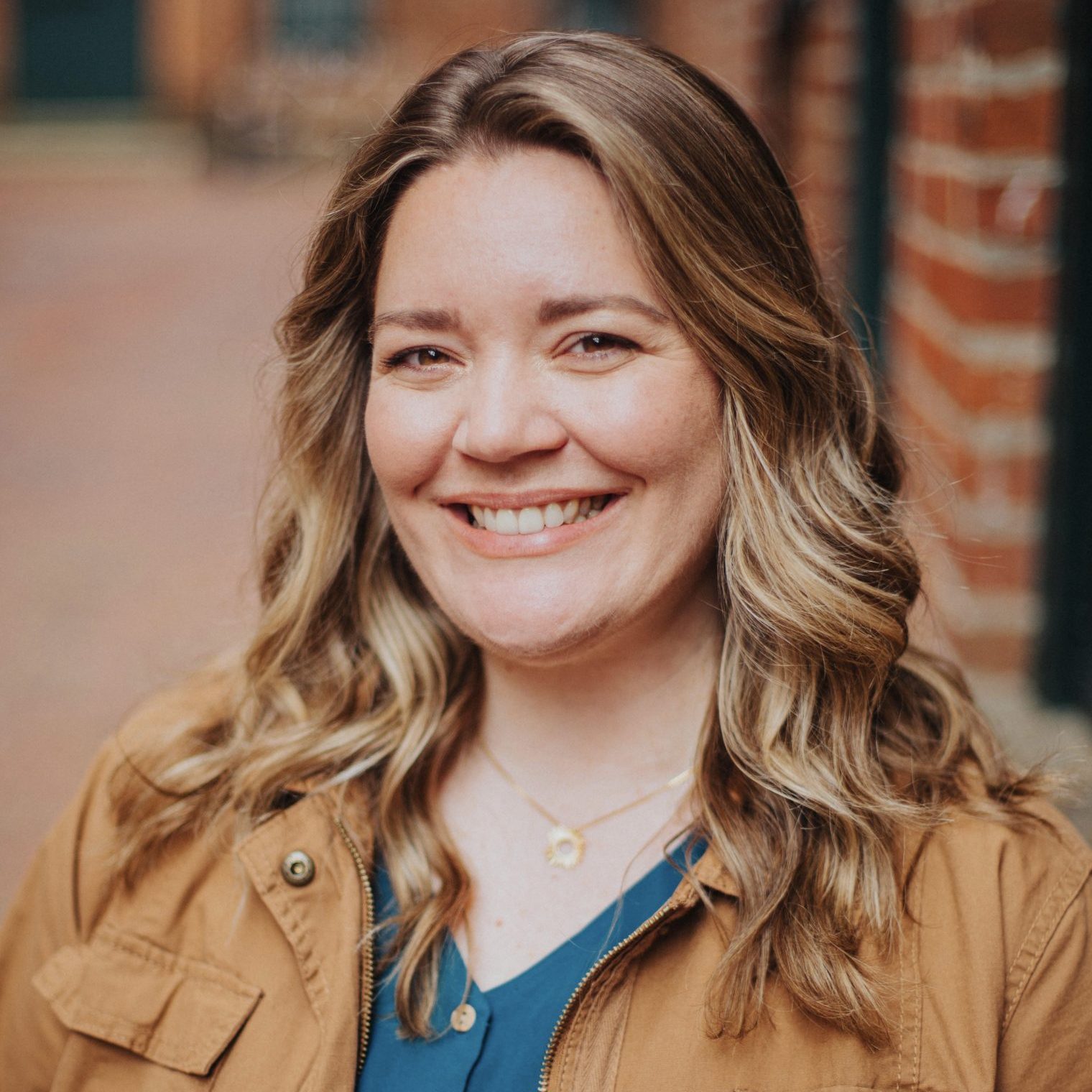

SHELBY — Almost every day since the beginning of May, an email hits the inboxes of media, government officials, safety forces and school leaders in and around Shelby: A COVID-19 report from Mayor Steve Schag.
The contents of the email includes a full report of COVID-19 activity within the city, counting the number of new cases and recovered/resolved cases, and documenting cases in both the general population and the long-term care facility population.
It’s a habit Schag got into as a companion to the COVID-19 case numbers updated at the state level. He said he wanted to tell the rest of the story.
“We try to give the new cases as well as the recovered cases, which is the brighter side of the picture,” he said. “I thought more detail was necessary for people to really get a picture of what’s going on in their community.”
The picture is a complicated one: As of Dec. 22, the Shelby City Health Department has documented a total of 490 individuals who have tested positive for COVID-19 since the outbreak began in March. Of that cumulative number, 371 individuals have attained recovered/resolved status.
The department is currently monitoring 114 active cases total. From the general population, there are 57 active cases, with 56 individuals in quarantine and one individual hospitalized.
From the long-term care facility population, there are 57 active cases, 49 individuals in quarantine and eight individuals hospitalized. Most cases have come from Crestwood Care Center, a 130-bed facility on the west side of Shelby.
Since March, there have been five COVID-19 deaths documented from within the population of Shelby. Unfortunately, these numbers are not trending down.
Rated last week as the state’s only “purple” county in Ohio’s Public Health Advisory System, Richland County remains among the highest this week in terms of new COVID-19 occurrence. Between Dec. 6 and Dec. 19, 1,404 new cases were reported.
Under the “purple” status, citizens are strongly urged to stay at home when possible and to follow all COVID-19 protocols and health department guidelines, including: Frequent and thorough hand washing, careful sanitization, strict physical/social distancing (whether inside or outside of the home), and the consistent wearing of face coverings.
Director of nursing Tiffiny Ellenberger, RN, is in charge of preparing the mountain of data that Schag includes in his daily emails. The data is also posted consistently on the Shelby City Health Department Facebook page.
“We receive notifications from Richland Public Health on every positive case in Richland County,” Schag said. “Then it’s determined whether they’re within our Shelby jurisdiction.”
After the notification comes, Ellenberger gets to work as the only person at the health department tracking COVID-19 cases. She tracks case statuses through the Ohio Disease Reporting System, and is in regular communication with doctor’s offices and hospitals.
Ellenberger reports new and closed cases to Richland Public Health. She also reports weekly to the Ohio Department of Health regarding cases in schools or long-term care facilities.
Ellenberger also keeps track of Shelby residents who have died from COVID-19. A death is only tracked as COVID-19 if the disease is listed on the decedent’s death certificate.
“If COVID is not put on their death certificate, even though they might have tested positive, we cannot report it as a COVID death,” she said. “The doctor has to feel that COVID was a contributing factor to their death.”
On top of all that, Ellenberger is in charge of any contact tracing that needs to take place, though Schag noted this job has morphed slightly.
“More individuals now are calling other friends and family members once they have been diagnosed to let them know what’s happening,” Schag said. “It has allowed Tiffiny to concentrate more on daily follow-ups with all active cases.”
Because of this, the Shelby City Health Department will likely invest the $200,000 coming from the state into something other than contact tracing. On Nov. 12, Gov. Mike DeWine announced the state will disburse $30 million in federal coronavirus funding, offering $200,000 to each of the 113 local health departments.
Instead, Schag said the health department may focus on investing the funds in the vaccination process. The first COVID-19 vaccines in Richland County were administered at OhioHealth Mansfield Hospital on Dec. 22.
“We may be needing to hire individuals to help with intake, help with the process of getting the vaccine, monitoring those who receive the vaccine, or leasing a space to do that,” Schag said.
